March 16, 2026
HVAC systems are the backbone of home comfort, yet they are also among the largest energy consumers in a household, accounting for nearly half of utility use. Understanding how your system operates and where energy is being wasted is key to reducing costs, improving performance, and minimizing environmental impact. From outdated units struggling to maintain temperature to leaky ducts and inefficient airflow, many factors can compromise system efficiency. Regular monitoring and timely upgrades can prevent small problems from turning into costly repairs, while also ensuring consistent comfort year-round. By taking a proactive approach, homeowners not only protect their investment but also play a role in reducing their household’s carbon footprint. By prioritizing proper maintenance, professional inspections, and smart usage, homeowners can maximize comfort, save money, and contribute to a greener future.
The Importance of HVAC Efficiency
HVAC systems account for nearly half of a typical household's energy use, making them significant contributors to overall utility costs. Understanding how much energy your HVAC system consumes can help you identify where improvements are necessary. For instance, outdated units often work harder to provide the same level of comfort as modern, energy-efficient models. By evaluating your current system's energy consumption, you can make informed decisions about upgrading or maintaining your system. Energy efficiency not only impacts the bottom line but also reduces energy waste and environmental impact.
Efficient HVAC installers contribute to a reduction in greenhouse gas emissions, which is vital for global environmental health. By minimizing energy consumption, efficient units require less fossil fuel burning, thus reducing their carbon footprint. As more households adopt energy-efficient HVAC solutions, the collective impact on the environment could be substantial. Adopting such systems also aligns with sustainable living practices, promoting a healthier planet for future generations. Furthermore, using less energy means less strain on public infrastructures, such as power plants and power grids.
The initial investment in an energy-efficient HVAC system may be higher, but the long-term cost savings are substantial. Reduced energy consumption translates to lower utility bills, which, over time, compensate for the upfront costs of an upgrade. Additionally, many governments offer tax incentives and rebates for using HVAC installers, further enhancing the investment value. The durability of newer systems also means less frequent replacements, saving additional costs on new units and installation. These financial benefits make the decision to improve HVAC efficiency a smart economic move for homeowners.
While the benefits are clear, several barriers exist that prevent homeowners from achieving HVAC efficiency. One major barrier is the initial cost of replacing or upgrading HVAC systems, which can be prohibitive for some. According to Workyard, 86% of homeowners lack detailed knowledge of HVAC components. Consequently, they may not recognize inefficiencies or the potential savings of modern systems. Additionally, finding reliable contractors like an HVAC installer can be challenging, deterring homeowners from pursuing upgrades. Overcoming these barriers requires education, government incentives, and industry accountability.
Regular Maintenance and System Tune-Ups
The cornerstone of maintaining HVAC efficiency is implementing a regular maintenance schedule. Routine maintenance ensures that all components of the system are functioning optimally, preventing costly breakdowns and untimely replacements. A typical schedule includes twice-yearly system checks, once before winter and again before summer, addressing seasonal demands. Technicians should scrutinize the system for any signs of wear, leaks, or inefficiencies that could lead to energy waste. A well-structured schedule helps catch minor issues before they escalate into significant problems, preserving system integrity and efficiency.
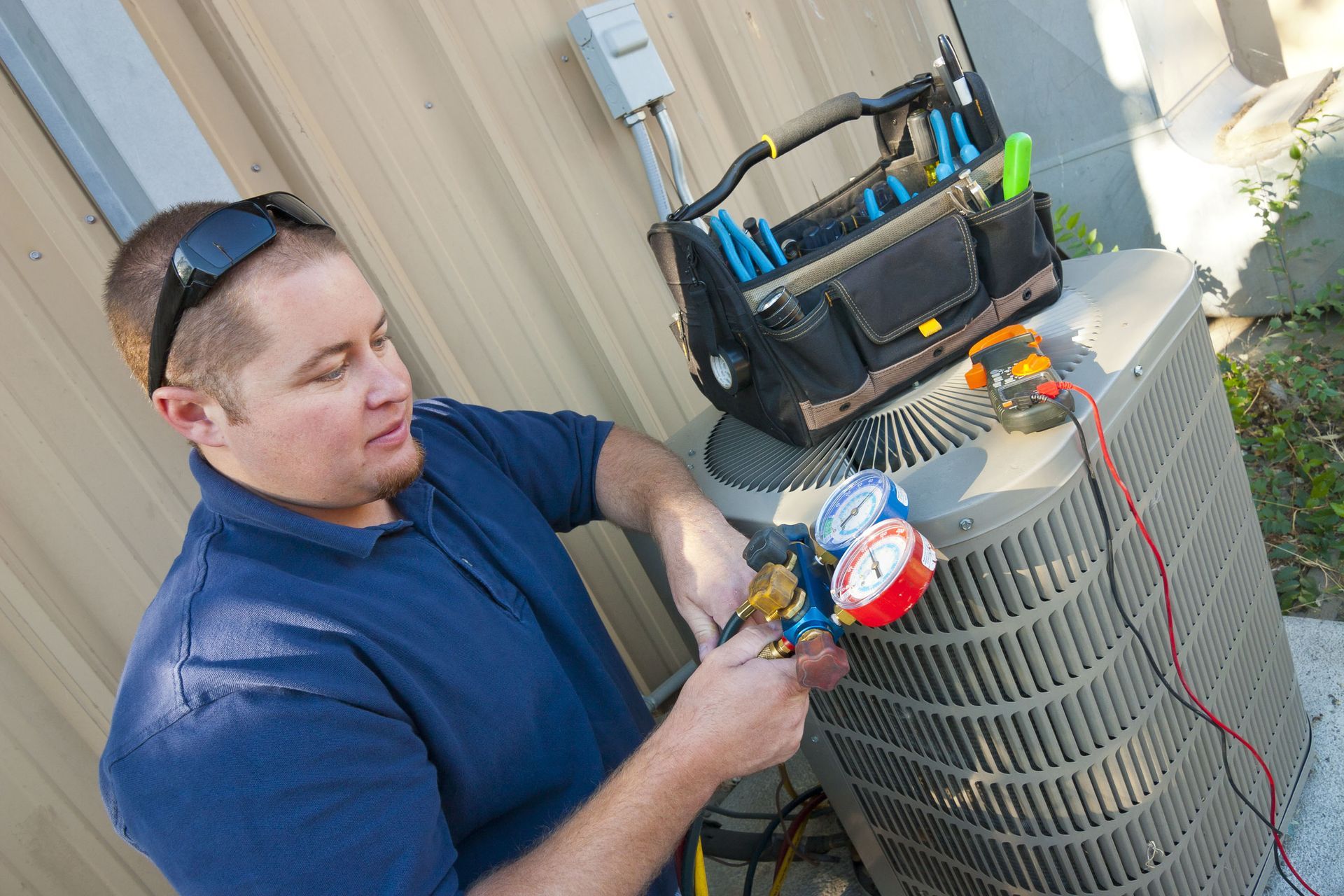
Regular maintenance tasks include cleaning and replacing air filters, which are crucial for maintaining efficient airflow and air quality. Technicians should also check for refrigerant levels, ensuring no leaks, as low refrigerant levels can severely impact energy efficiency and cooling capacity. Cleaning ducts, vents, and registers further supports unobstructed airflow, minimizing the system’s workload. Regularly lubricating moving parts is another key task, reducing friction and the energy required to operate them. By proactively completing these tasks, the longevity and efficiency of the HVAC installer's system are significantly enhanced.
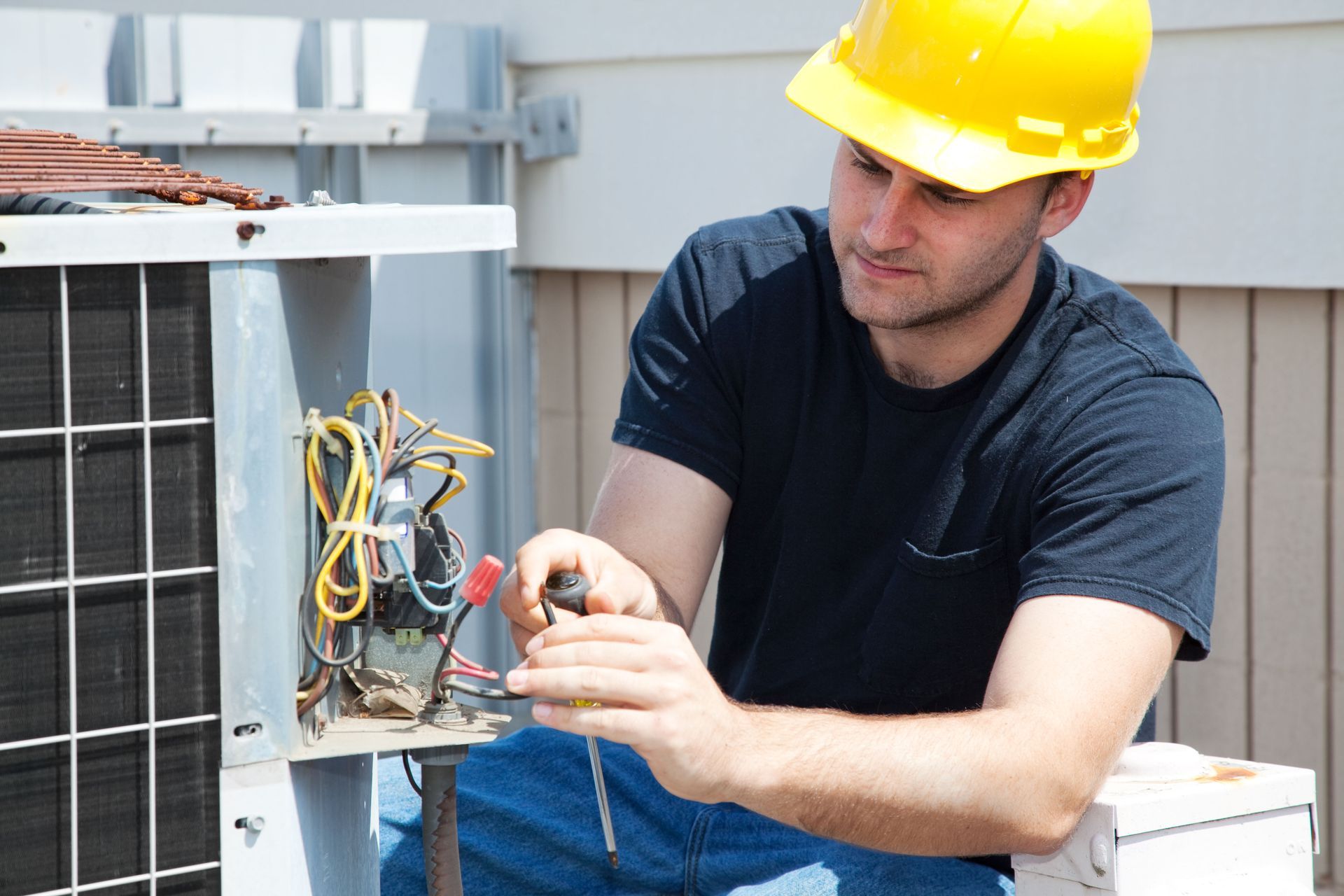
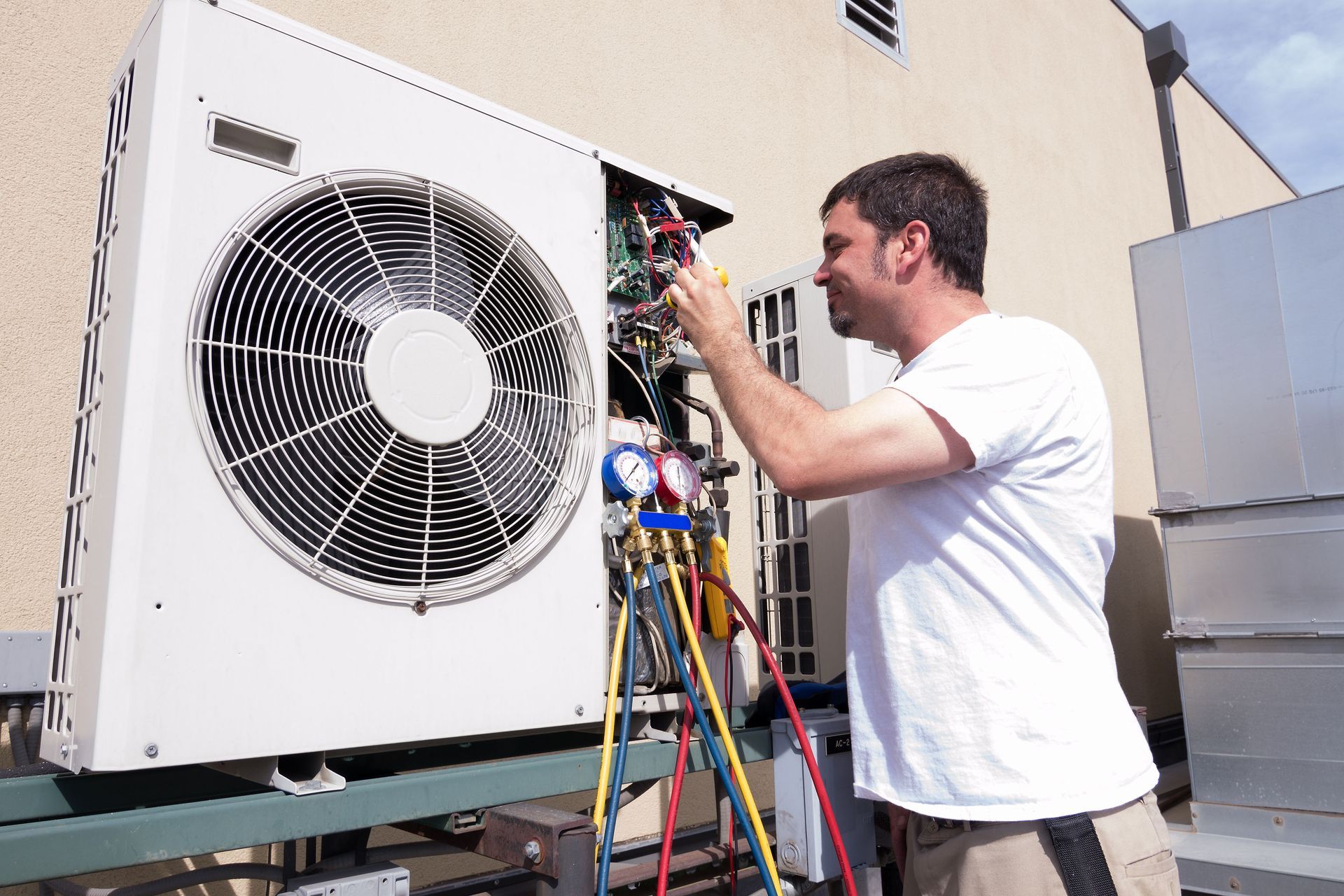
While homeowners can do some maintenance tasks, professional inspections provide a comprehensive evaluation that ensures no aspect of the HVAC system is overlooked. Certified HVAC installers have the expertise to identify issues that may not be evident to the untrained eye, ensuring all components work harmoniously. Professional inspections involve using specialized tools to measure system performance and detect issues, such as airflow imbalances or electrical inefficiencies. These evaluations are essential in uncovering latent problems that could escalate into larger issues if left unchecked. Investing in professional inspections ensures optimal system performance and maximum energy efficiency.
Being aware of early warning signs can prevent small problems from developing into costly repairs or replacements. Strange noises, such as clanging or hissing, often indicate underlying mechanical issues that need immediate attention. Unusual smells, particularly burning or musty odors, could signal electrical issues or mold growth in the ductwork. Inefficient heating or cooling performance, or unexpectedly high energy bills, also serve as indicators of potential system problems. Addressing these symptoms promptly with professional help can maintain system efficiency and avoid larger expenses in the future.
Maximize HVAC System Performance
Proper use of thermostats is instrumental in maximizing the performance and efficiency of HVAC installers' systems. Programmable or smart thermostats allow homeowners to automate temperature adjustments based on the time of day and occupancy, reducing unnecessary energy use. During summer, setting the thermostat higher when the house is empty can result in significant savings. In winter, lower settings when the house is unoccupied do the same. Consistent and informed thermostat management contributes substantially to reducing energy costs.
An often-overlooked aspect of HVAC performance is balanced airflow throughout the home. Improper airflow can make some rooms too cold or hot, prompting overuse of the HVAC system. Simple adjustments, like ensuring that vents are open and unobstructed, can improve balance. Additionally, closing or partially closing vents in seldom-used rooms allows for more efficient energy use where needed. Effective balancing of airflow contributes to consistent comfort levels and leverages energy savings.
Ducts are a critical component of HVAC systems, distributing heated or cooled air throughout the home. Leaky ducts can significantly reduce efficiency, as they cause treated air to escape into unused spaces, leading to energy waste. Proper duct sealing ensures that airflow is efficient and unhindered. Sealing can be achieved using mastic sealant or metal-backed tape, and having a professional perform this task ensures its effectiveness. The benefits of duct sealing are numerous, including reduced energy costs, improved comfort, and better air quality.
Investing in HVAC efficiency is more than just a way to lower energy bills—it’s a commitment to comfort, sustainability, and long-term savings. By maintaining your system through regular inspections, cleaning, and professional tune-ups, you ensure that every component operates at peak performance. Addressing issues like leaky ducts, unbalanced airflow, or outdated thermostats not only reduces energy waste but also prolongs the life of your system, preventing costly repairs or early replacements. Energy-efficient HVAC installers also contribute to a healthier environment by reducing greenhouse gas emissions, aligning with sustainable living practices that benefit both your household and the planet. Don’t wait until inefficiencies or breakdowns disrupt your comfort—take proactive steps today. Schedule a professional HVAC inspection from John's Plumbing Heating and Cooling, optimize your system’s performance, and start enjoying lower utility bills, consistent comfort, and peace of mind for years to come.