March 13, 2026
The transition from winter to spring brings about the need to switch from heating to cooling your home. Before you turn on your air conditioning unit, it's crucial to take certain steps to ensure its efficiency and longevity. This article outlines the essential steps you should follow to prepare your AC for the warmer months, preventing any unexpected issues and ensuring optimal performance throughout the season. Proper springtime maintenance can potentially save a homeowner from costly repairs and decrease energy consumption. Here, we'll delve into a comprehensive checklist to help you get your AC system ready for the upcoming heat.
1. Inspect the Outdoor Unit
1.1 Clear Debris from the Surrounding Area
Over the winter months, it's common for leaves, sticks, and other debris to accumulate around your outdoor AC condenser unit. Clearing these obstructions is crucial as they can impede the airflow and hinder the system's functionality. Start by sweeping away any leaves and debris from the unit's surroundings, ensuring there are at least two feet of clearance on all sides. This allowance helps prevent overheating and ensures smooth operation. Regularly checking the area for new debris will sustain your AC's efficiency.
1.2 Check for Physical Damage
After ensuring that the area around the AC unit is clear, it's essential to inspect the unit itself for any physical damage. Severe winter weather can cause dents or cracks in the metal casing, which in turn might affect performance. Examine the fins on the condenser coil to ensure they are not bent or damaged, as these allow heat to be expelled efficiently. Additionally, look for any signs of rust or corrosion that could weaken structural integrity. Identifying and remedial action can prevent further damages.
1.3 Ensure Proper Leveling
Another critical step is to verify that your outdoor unit is perfectly level. Over time, the ground beneath the unit can shift or settle, causing it to tilt. This misalignment can lead to inefficient operation and potentially damage the condenser. Use a carpenter's level to check for discrepancies and adjust the base or replace it if necessary. Restoring the unit to a level state can extend its life and optimize performance.
1.4 Inspect Electrical Connections
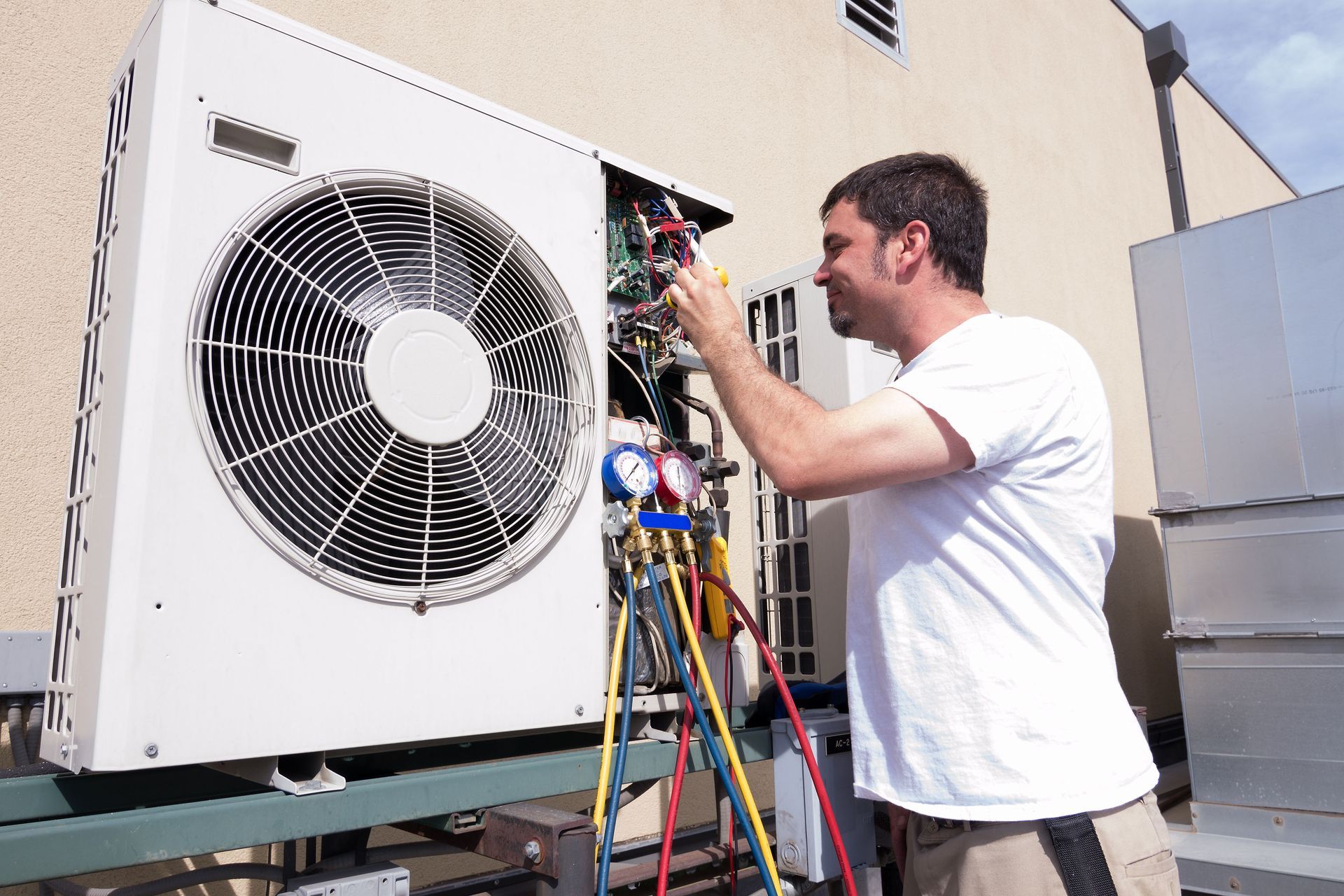
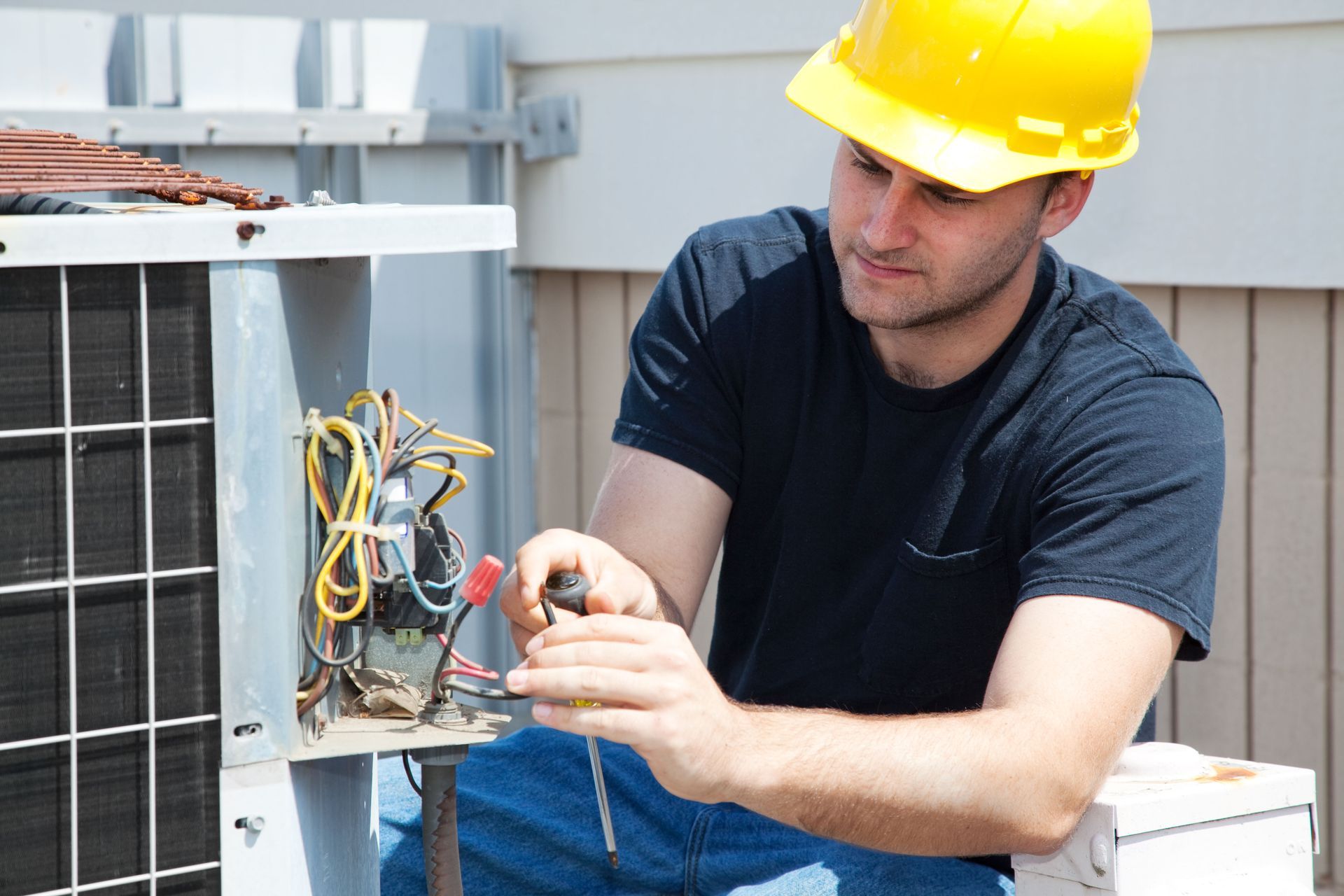
Inspecting the electrical connections of your AC unit is vital for ensuring safe and efficient operation. Over time, connections might become loose or corroded, posing a safety risk. First, switch off power to the unit from the breaker box for safety before checking the connections. Look for any signs of wear or corrosion and tighten any loose connections. Addressing electrical issues early can prevent more significant problems in the future.
1.5 Verify Condenser Coils Are Clean
Finally, taking the time to clean your condenser coils can make a significant difference in your AC's efficiency. Coils that are covered with dirt and grime can cause the unit to work harder, leading to increased energy consumption. Use a coil cleaner to remove any accumulation or soft brush to wipe away dust without bending the fins. According to the U.S. Department of Energy, regular maintenance, including cleaning the condenser coils, can save significant energy costs. Focusing on maintaining the condenser ensures your AC operates smoothly during peak summer months.
2. Replace or Clean Air Filters
2.1 Determine Filter Type
Your air conditioning system's filter plays a crucial role in maintaining good air quality in your home. The type of filter you need can vary based on the make and model of your system. Consult your AC unit’s manual or an HVAC professional to determine whether your system uses disposable filters or reusable filters that can be cleaned. Identifying the right type of filter is vital for maintaining the unit's efficiency. Using the incorrect filter can lead to reduced airflow or even damage the system.
2.2 Assess the Current State of Filters
Before replacing or cleaning the filters, you'll want to assess their current condition to understand the level of maintenance required. A dirty or clogged filter can drastically affect your system's efficiency and indoor air quality. Hold the filter up to a light source; if you can’t see much light coming through, it's time for cleaning or replacement. Blocked filters can strain the system, forcing it to work harder and increasing electricity costs. Regular inspection helps you catch such issues early.
2.3 Choose Replacement Filters
If your air filter needs replacement, selecting the right one is crucial. Filters come in various sizes and types, including HEPA, fiberglass, and pleated filters, each with different filtration capacities. The right choice depends on your household's needs, such as allergies or pets shedding hair. Make sure to pick a filter that fits your system and meets your air quality requirements. Better filtration will improve home air quality and AC efficiency.
2.4 Steps to Replace or Clean
To replace or clean the air filter, first, ensure the AC unit is turned off to prevent unfiltered air from circulating. Remove the filter following the instructions in the system manual, which is usually through a panel that can be accessed with ease. For disposable filters, simply replace the old one with a new filter. For reusable filters, gently wash them with water and let them completely dry before reinserting them. Regular replacement or cleaning prolongs the life of your HVAC system.
2.5 Benefits of Regular Filter Maintenance
Keeping your air filters clean or regularly replacing them provides numerous benefits for both your health and the HVAC system. Clean filters efficiently trap airborne particles such as dust, pollen, and smoke, improving indoor air quality and reducing allergy triggers. They also ensure optimal airflow, which allows the system to run efficiently and reduces energy consumption. Maintaining your filters can extend the lifespan of your AC unit by reducing wear and tear. According to the U.S. Department of Energy, 66% of homes in the United States have central air conditioning systems, highlighting the importance of filter maintenance nationwide.
3. Check the Thermostat
3.1 Test the Thermostat's Functionality
Before the summer heat arrives, it is crucial to ensure that your thermostat is functioning correctly. Begin by setting it to the desired temperature and listening for an audible click, which indicates it's sending a signal to the system to start cooling. Confirm that your AC unit responds appropriately to these commands. If there are delays or no response at all, you might need a professional to inspect the wiring or other components. Addressing thermostat issues can prevent inefficient cooling and uncomfortable indoor conditions.
3.2 Upgrade to a Programmable Thermostat
If your home still relies on a traditional thermostat, it might be time to consider an upgrade. Programmable thermostats offer customizable settings that can adjust temperatures according to your schedule. This reduces energy consumption by ensuring the system isn't cooling an unoccupied home, saving you money on electricity bills. With the advancement of technology, some programmable thermostats can even adapt their settings based on learned behaviors. Upgrading enhances energy efficiency and offers greater control over your home environment.
Properly maintaining your air conditioning unit before the onset of warmer weather can significantly enhance its performance and lifespan. By following these steps, you can ensure that your AC system runs efficiently, minimizing the risk of breakdowns and reducing energy costs. Regular maintenance not only saves time and money but also provides peace of mind knowing that your home will remain comfortably cool throughout the summer months. In light of central AC's prevalence in 66% of U.S. homes, this proactive approach supports widespread efficiency and durability. Prioritizing early interventions today enables a season-long comfortable, efficient cooling experience. Be sure to reach out to John's Plumbing Heating and Cooling today for more information on our professional AC contractor!