January 14, 2026
Maintaining your home’s HVAC system is about more than just comfort — it’s a critical step in managing energy use and keeping utility bills under control. Many homeowners underestimate the impact of a well-maintained system on energy efficiency. Over time, dirt buildup, worn components, and neglected maintenance can cause your heating and cooling systems to work harder, consume more energy, and cost you more money. By investing in regular maintenance, you can ensure your system runs efficiently, lasts longer, and provides consistent comfort year-round.
Inspect HVAC Components to Optimize Performance
One of the most effective ways regular HVAC maintenance improves energy efficiency is by inspecting all components of your system. This includes the furnace, air conditioner, heat pump, ductwork, filters, and thermostat. When these components are clean and functioning properly, the system requires less energy to maintain your desired temperature.
Professional technicians performing a heating and cooling service will check for common issues such as clogged air filters, worn belts, and dirty coils. Even minor problems can have a major impact on performance. For example, a dirty air filter restricts airflow, forcing your system to work harder and consume more energy. By catching these issues early, maintenance helps prevent unnecessary energy waste and reduces the risk of more expensive repairs down the line.
Clean Ductwork to Reduce Energy Loss
Air ducts play a crucial role in distributing conditioned air throughout your home. Over time, dust, debris, and mold can accumulate inside the ducts, causing airflow restrictions and reducing system efficiency. A well-maintained system ensures that air travels smoothly, reaching every room without excessive effort.
During a professional heating and cooling service, technicians inspect and clean your ductwork to remove obstructions. Properly sealed and clean ducts prevent energy loss, which can account for up to 20% of wasted heating and cooling energy in older homes. Cleaner ducts also improve indoor air quality, which benefits everyone in the household, especially those with allergies or respiratory issues.
Replace Filters to Maintain Energy Efficiency
Filters are one of the simplest yet most impactful elements of HVAC maintenance. Dirty or clogged filters restrict airflow and make your system work harder, significantly increasing energy consumption. According to Energy Star, the average household spends close to $1,900 annually on energy bills, and nearly half goes to heating and cooling costs. This makes filter maintenance a critical step in controlling energy expenses.
During a heating and cooling service, technicians replace or clean filters according to manufacturer recommendations. A clean filter ensures your HVAC system can efficiently move air throughout the home, maintaining consistent temperatures while using less energy. Regular filter changes are a simple, cost-effective way to improve performance and reduce the strain on your system.
Adjust Thermostats to Maximize Savings
Your thermostat plays a pivotal role in controlling energy usage. An incorrectly programmed or malfunctioning thermostat can cause your system to heat or cool your home unnecessarily, increasing energy consumption. Regular HVAC maintenance includes checking thermostat settings, calibrating sensors, and recommending programmable or smart thermostat upgrades if needed.
A properly adjusted thermostat, combined with a well-maintained system, allows your HVAC system to run efficiently, delivering the right amount of heating or cooling only when needed. This not only reduces energy waste but also extends the lifespan of your equipment. Professional heating and cooling service ensures that your thermostat communicates effectively with your system, optimizing performance and lowering utility costs.
Inspect Refrigerant Levels to Ensure Efficiency
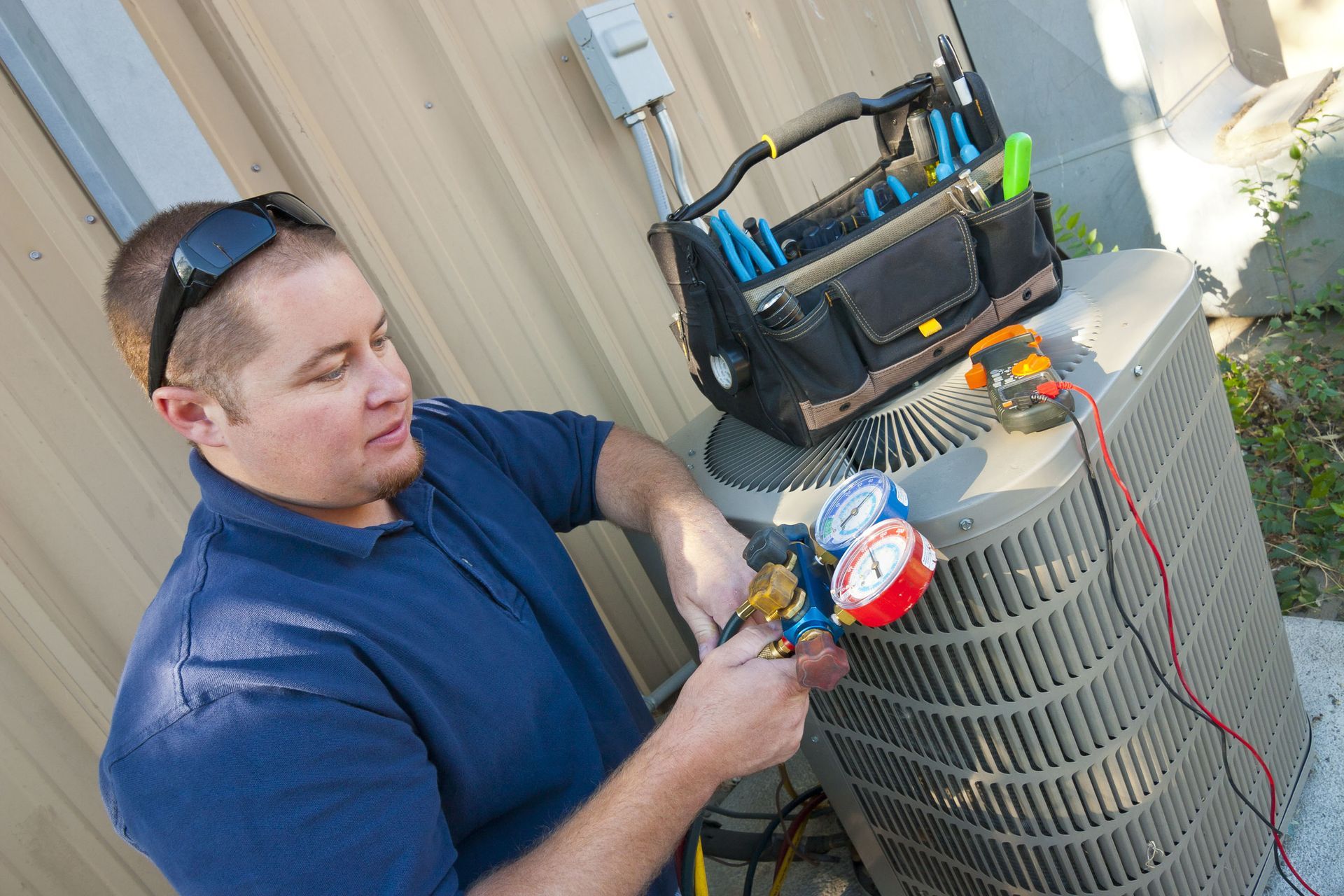
Refrigerant is a critical component in cooling systems, including air conditioners and heat pumps. Low refrigerant levels can cause the system to work harder to cool your home, consuming more electricity and potentially damaging the equipment. Regular HVAC maintenance includes checking and adjusting refrigerant levels to ensure the system operates efficiently.
Technicians performing a heating and cooling service will also inspect for leaks, which can compromise performance and increase energy use. Maintaining proper refrigerant levels helps your system maintain consistent cooling, reduces energy consumption, and prevents long-term damage that could lead to costly repairs or early replacement.
Lubricate Moving Parts to Reduce Strain
Over time, moving components in your HVAC system, such as motors, fans, and bearings, can wear down or become less efficient due to friction. This wear increases the energy required for operation, reducing overall system efficiency. Regular HVAC maintenance includes lubricating these moving parts to reduce friction, minimize wear, and keep the system running smoothly.
Professional services ensure that all mechanical components are properly lubricated and balanced. This reduces strain on the system, prevents overheating, and allows your equipment to operate at peak efficiency. Lubrication also extends the life of the system, delaying expensive replacements and maintaining consistent energy performance.
Test System Operation to Identify Hidden Issues
A crucial part of HVAC maintenance is testing the system under normal operating conditions. This includes monitoring airflow, temperature consistency, and system cycling. Testing allows technicians to identify hidden issues such as failing components, electrical problems, or minor leaks that could reduce efficiency.
Regular testing during a professional heating and cooling services ensure that your system operates as designed. Detecting and addressing issues before they escalate not only improves energy efficiency but also prevents unexpected breakdowns. A system that runs smoothly consumes less energy, which translates to lower utility bills and more reliable performance year-round.
Maintain Safety and Compliance Standards
Regular HVAC maintenance is not only about efficiency — it also ensures safety and compliance. Faulty heating systems can pose serious risks, including carbon monoxide leaks, electrical hazards, or fire. Cooling systems with dirty coils or faulty wiring can overheat or fail prematurely.
A certified technician performing a heating and cooling service inspects safety mechanisms, tests carbon monoxide detectors, and verifies that your system meets local codes and manufacturer specifications. By maintaining safety and compliance, you protect your household while ensuring your system continues to operate efficiently.
Extend System Lifespan and Reduce Replacement Costs
Investing in regular HVAC maintenance protects your system from excessive wear and tear, prolonging its lifespan. Systems that are neglected often fail prematurely, leading to costly emergency replacements. According to industry studies, homeowners who schedule consistent maintenance can extend the life of their HVAC systems by several years.
By scheduling a professional service, you maintain efficiency, reduce breakdowns, and save money in the long term. Preventative maintenance is a small investment compared to the cost of replacing an entire system, and it guarantees that your home remains comfortable throughout the year.
Regular HVAC maintenance is essential for maximizing energy efficiency, reducing utility bills, and ensuring safe operation. By inspecting components, cleaning ductwork, replacing filters, adjusting thermostats, checking refrigerant levels, lubricating moving parts, and testing the system, a professional heating and cooling service keeps your system running at peak performance.
Neglecting maintenance can lead to higher energy consumption, costly repairs, and decreased system lifespan. On the other hand, a well-maintained system improves comfort, enhances indoor air quality, and provides peace of mind. With energy costs continuing to rise, the benefits of professional HVAC maintenance have never been more significant.
Don’t wait for your HVAC system to fail — schedule professional maintenance today. Contact John's Plumbing Heating and Cooling to ensure your home remains comfortable, efficient, and safe while saving money on energy bills. Our expert technicians are ready to provide reliable, thorough service that keeps your system running smoothly year-round.